

Post-Surgical Compression Garments: Why Turkish Lycra Makes All the Difference
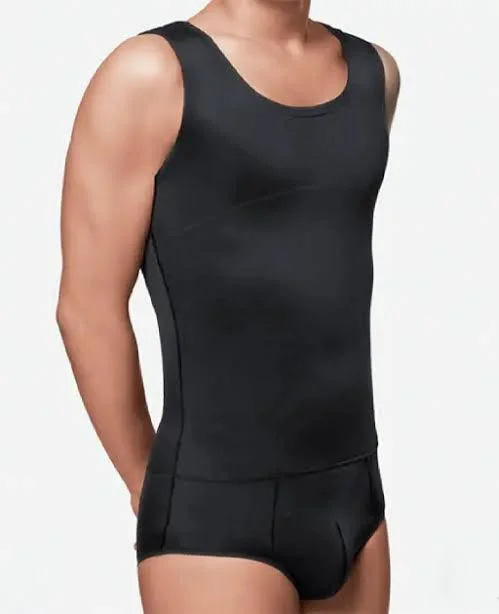
Post-Surgical Compression Garments: Why Turkish Lycra Makes All the Difference
When patients think about surgery, they usually focus on the procedure itself. But what happens in the weeks afterward is just as important — and one of the most underrated tools in that recovery process is the compression garment.
At Vazin Tejhiz Mandegar, we've spent over a decade designing and manufacturing post-surgical compression garments in Iran, using premium Turkish Lycra fabric and manufacturing processes certified to ISO 13485, the international quality standard for medical devices. In this article, we'll walk through the science behind compression therapy, why fabric choice matters more than most people realize, and what sets a well-engineered garment apart from an ordinary one.
What Compression Garments Actually Do
A compression garment isn't just tight clothing — it's a functional medical device that applies controlled, graduated pressure to the body. That pressure isn't incidental; it's engineered.
Following procedures such as liposuction, abdominoplasty, breast surgery, or other body-contouring operations, tissues are in a fragile, transitional state. Controlled compression helps that tissue heal in the right shape rather than the wrong one. Specifically, compression garments:
Stabilize underlying tissue while it reattaches and heals
Reduce fluid buildup and support lymphatic drainage
Improve circulation to the healing area
Help skin adapt smoothly to its new contour
None of this works well, though, if the fabric itself can't deliver consistent, even pressure — which is where Lycra comes in.
Why Lycra Is the Fabric of Choice for Medical Compression
Lycra — also known as elastane or spandex — is a segmented polyurethane fiber engineered specifically for elasticity and recovery. It can stretch several times its original length and still return almost completely to its original shape. That combination of stretch and recovery is exactly what medical-grade compression requires.
Even, multidirectional pressure. Ordinary fabrics stretch unevenly, creating pressure points that can dig into healing tissue or leave gaps that provide no support at all. Lycra's multidirectional elasticity distributes pressure evenly across the body, which is essential since the effectiveness of compression therapy depends heavily on how accurately that pressure is applied.
Durability through repeated wear. Post-surgical garments are often worn 20 hours a day or more, sometimes for months. A fabric that loses its elasticity after a few washes defeats the purpose. High-quality Lycra maintains close to its full recovery capacity even after extended, repeated use.
Comfort during long recovery periods. Comfort isn't a luxury here — it directly affects whether patients actually wear the garment as prescribed. Lycra-based fabrics stay soft against the skin, allow freedom of movement, and reduce irritation, which makes long daily wear far more tolerable.
Adaptability as the body changes. In the weeks after surgery, swelling goes down and the body's shape shifts. A garment made with high-quality elastane adjusts along with those changes instead of becoming loose and ineffective, thanks to its elastic memory.
Why Turkish Lycra Specifically
Not all Lycra is manufactured to the same standard. Turkish textile mills have built a strong international reputation for producing elastane fabrics with tight quality control, consistent elasticity ratings, and reliable performance batch after batch — qualities that matter enormously in a medical context, where inconsistent fabric can mean inconsistent compression. This is why we source our Lycra directly from Turkish manufacturers rather than relying on lower-cost alternatives.
Engineering, Not Just Sewing
A well-made compression garment is the result of several layers of engineering working together:
Fabric selection — elasticity, breathability, and recovery properties
Knitting technique — determines how pressure is distributed across different zones of the body
Pressure gradient design — different areas of the body need different levels of compression
Anatomical fit — a garment cut without the body's real shape in mind will never compress correctly, no matter how good the fabric is
This is the difference between a garment that simply looks like a compression garment and one that actually performs like one.
What ISO 13485 Certification Means for Patients
ISO 13485 is the international quality management standard specifically for medical device manufacturers. It isn't a marketing badge — it reflects documented, audited processes covering everything from raw material sourcing to production consistency and quality control.
For a product that's worn directly against healing tissue for weeks at a time, that level of process control isn't optional. It's part of what separates a medical-grade compression garment from a generic elastic garment sold as a substitute.
Why Patients and Clinics Choose Vazin Tejhiz Mandegar
With more than 10 years of experience manufacturing medical compression garments in Iran, Vazin Tejhiz Mandegar combines:
Premium Turkish Lycra fabric
ISO 13485–certified manufacturing processes
Scientifically calibrated compression levels for different procedures
Anatomically engineered, ergonomic fit
A full range of post-surgical garments for liposuction, abdominoplasty, breast surgery, and other procedures
The Bottom Line
Choosing a compression garment isn't a minor decision in the recovery process — it's a functional part of the treatment itself. The right fabric, the right engineering, and the right manufacturing standards all combine to determine whether a garment genuinely supports healing or simply looks the part.
At Vazin Tejhiz Mandegar, that combination — Turkish Lycra, ISO 13485 certification, and a decade of specialized experience — is exactly what we build into every garment we make.
 SepehrCC
Comments